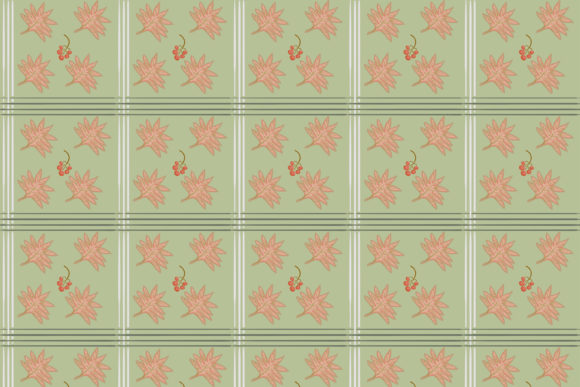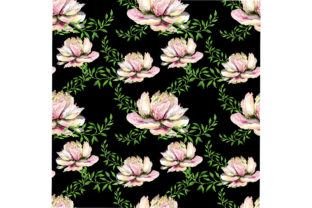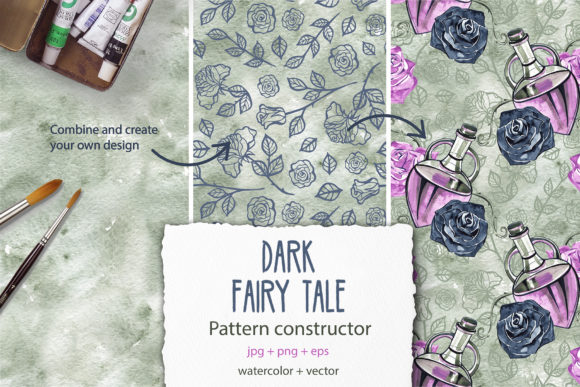
Gothic Pattern Constructor and Patterns
As a brand designer with years of experience, I've encountered countless graphic design assets that promise to elevate a business's visual identity. Gothic Pattern Constructor is one such asset that caught my attention for its unique aesthetic and versatility in real-world applications. When I first saw it, the intricate details and dark, dramatic flair immediately suggested a brand personality that leans toward elegance, mystery, and sophistication—perfect for a boutique or artisanal business looking to stand out in a crowded market.
Mood and Brand Personality
Gothic Pattern Constructor exudes a mood that feels both timeless and modern. It’s not overly ornate, but it carries a sense of depth and character that can add a layer of storytelling to any design. This makes it ideal for businesses that want to communicate a sense of heritage, craftsmanship, or artistic flair. Whether it's a handmade soap brand, a small-batch candle company, or a local bakery with a gothic-inspired theme, this pattern can help establish a distinct brand identity that resonates with a niche audience.
The design has a premium feel without being too flashy. It balances decorative elements with enough subtlety to work across various mediums, from product labels to social media graphics. It doesn’t scream “cheap” or “mass-produced,” which is essential for small businesses aiming to build trust and credibility with their customers.
Real-World Applications
In a recent project, I used Gothic Pattern Constructor for a small, locally owned skincare brand that wanted to differentiate itself from competitors. The pattern was perfect for their product labels, adding an air of luxury while still maintaining readability. It also worked well on their website banners and social media posts, creating a cohesive look that reinforced their brand story.
This graphic design asset can be used in a variety of ways. For logo design, it can serve as a background element or a subtle texture that adds depth without overwhelming the main branding elements. In packaging design, it can be used as an accent or a central motif, depending on the desired effect. Product labels benefit from its visual interest, especially when paired with clean typography and minimal text.
It also works well in printable design, such as thank-you cards, hang tags, and promotional flyers. For a seasonal campaign, like a Halloween-themed product line, Gothic Pattern Constructor can be a powerful tool to create a visually striking and thematically consistent set of marketing visuals.
Supporting Business Presentation
One of the key benefits of using Gothic Pattern Constructor is how it enhances the overall presentation of a small business. A strong first impression is crucial, especially in retail environments where products compete for attention. This pattern can help a product stand out on the shelf by offering a unique visual element that aligns with the brand’s identity.
It also contributes to better product recognition. When a brand consistently uses a specific design element across all touchpoints, customers begin to associate that element with the brand itself. This consistency builds stronger brand recall and reinforces customer trust.
From a design perspective, Gothic Pattern Constructor helps create a clearer visual hierarchy. It can act as a backdrop for important information, guiding the viewer’s eye through the design without cluttering the layout. This is particularly useful in editorial design, web design, and marketing visuals where clarity and focus are essential.
Where It Works Best
Gothic Pattern Constructor shines in applications where it can add a touch of elegance or drama without overshadowing the main message. Product labels are a prime example—using the pattern as a border or background can elevate the look of a simple label into something more refined. It also works well as a hero graphic on a website or in a promotional banner, drawing attention and setting the tone for the brand’s visual language.
For a boutique store or a handmade business, this pattern can be used in decorative brand elements, such as window displays or signage. It also serves as a great foundation for product mockups, allowing designers to experiment with different color schemes and layouts before finalizing a design.
On social media, Gothic Pattern Constructor can be used to create engaging campaign graphics that align with a brand’s aesthetic. Whether it's a seasonal promotion or a new product launch, the pattern can help create a visually cohesive and memorable set of posts.
Where to Use It Carefully
While Gothic Pattern Constructor is versatile, there are certain situations where it may not be the best choice. For formal corporate branding, where simplicity and professionalism are key, this pattern might come across as too ornate or distracting. Similarly, in very small labels or crowded product packaging, the pattern could become lost or difficult to read.
When working with ingredient-heavy layouts or legal information areas, it's important to ensure that the pattern doesn't interfere with the legibility of critical text. Low-contrast backgrounds can also make the pattern less effective, so testing it in different contexts is essential.
For luxury minimalist brands, where every element must be intentional and uncluttered, Gothic Pattern Constructor may not align with the desired aesthetic. In such cases, a simpler design would be more appropriate.
Practical Designer Notes
Before finalizing any design that incorporates Gothic Pattern Constructor, I always recommend testing it on real packaging mockups. This helps visualize how the pattern will look in physical form and whether it complements the overall design. Checking black and white usage is also important, as some patterns may lose their impact when printed in monochrome.
Previewing the pattern on small labels is another crucial step. If the design becomes too detailed or hard to see at a smaller scale, adjustments may be necessary. Testing it with brand colors ensures that the pattern harmonizes with the rest of the visual identity.
Comparing it with competitor packaging can reveal whether it stands out in the right way or if it needs refinement. Reviewing print quality is essential for physical products, and inspecting PNG transparency or SVG editability can help determine how easily the design can be adapted for different uses.
Finally, confirming commercial licensing is a must before using any design asset for client work or product sales. Gothic Pattern Constructor should be evaluated for its suitability in different font pairings, such as serif, sans serif, script, or display fonts, to ensure it complements the overall typography of the brand.
As a brand designer, I find that Gothic Pattern Constructor is a valuable addition to any creative marketplace. It offers a unique blend of style and functionality that can enhance small business branding, product packaging, and promotional materials. When used thoughtfully, it can help a local business stand out, connect with its audience, and build a lasting visual identity.