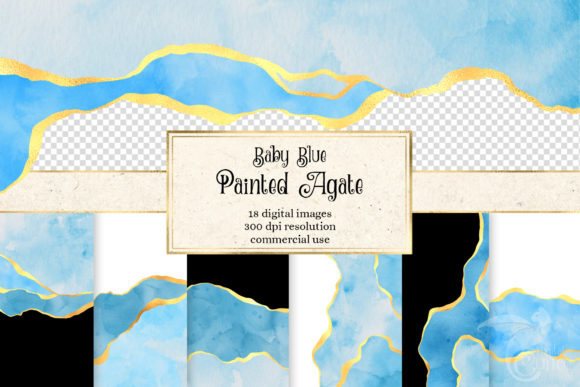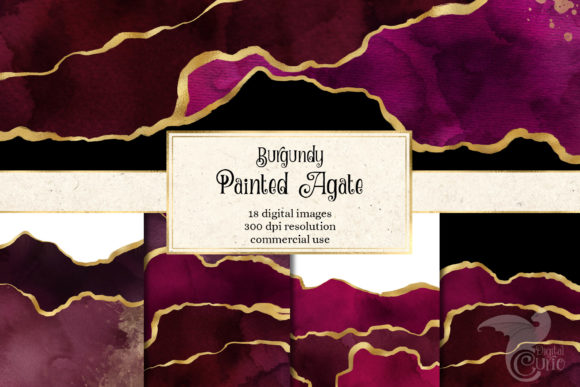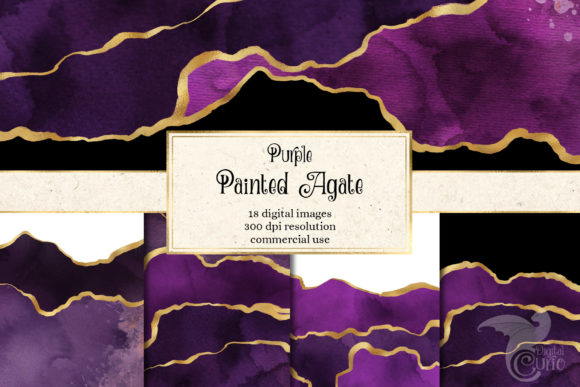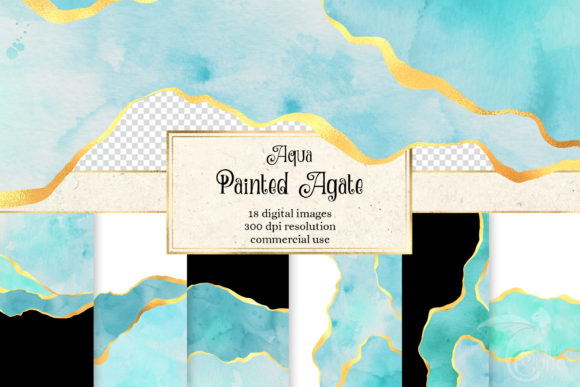
Navy Blue Painted Agate
As an embroidery designer and product reviewer, I’ve seen thousands of designs come and go. Some are fleeting trends, others are timeless. Navy Blue Painted Agate falls into the latter category. It’s a texture-rich design that brings a sense of calm, sophistication, and natural beauty to any project. But like any good design, it requires thoughtful application to truly shine.
The First Impression: A Study in Contrast
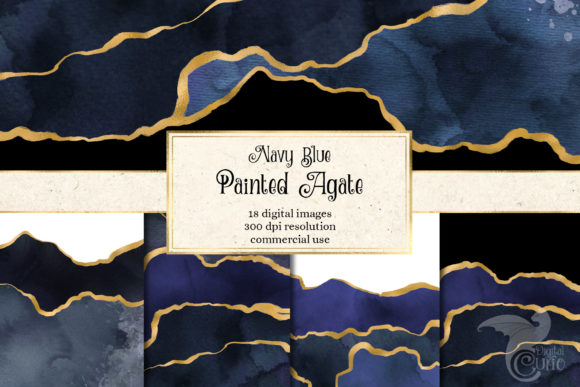
Navy Blue Painted Agate immediately catches the eye with its deep, rich base and subtle, organic patterns. The design feels like a piece of nature captured in thread—something that could easily be mistaken for a real stone or fabric pattern. Its visual personality is both bold and elegant, making it ideal for projects that need a touch of class without being overwhelming.
The layout is clean, with enough detail to keep it interesting but not so much that it becomes cluttered. It works well as a standalone motif or as part of a larger composition. The shape suggests something versatile—perhaps a background element, a focal point, or even a border.
Real-World Use: Where Does It Fit Best?
I recently worked on a custom embroidered tote bag for a client who wanted something unique but still professional. Navy Blue Painted Agate was the perfect fit. The design added a sophisticated edge to the bag without being too flashy. It looked great on a cotton canvas, and the contrast between the navy background and the lighter details made it stand out.
This design also works well on sweatshirts, especially for boutique brands looking to add a subtle yet stylish touch. It’s not the kind of design you’d want on a t-shirt for a casual event, but it’s perfect for a more refined, handmade product. For baby items, it adds a calming presence, making it ideal for onesies, blankets, or nursery decor.
As an applique design, it holds up well. The satin stitch and fill stitch work smoothly, and the overall look is cohesive. However, I’d avoid using it on very small hoop sizes. The intricate details can get lost if the hoop is too tight, and the stitch density might cause the design to appear less crisp.
Where to Be Careful: Common Pitfalls
While Navy Blue Painted Agate is versatile, there are some situations where it might not perform as expected. On textured fabrics, such as denim or corduroy, the design can sometimes look uneven. The texture of the fabric may interfere with the stitch definition, making the design appear less polished.
Thin or stretchy fabrics can also be a challenge. If the fabric isn’t stable enough, the design might pucker or shift during stitching. This is why using the right stabilizer is crucial. I always recommend testing the design on scrap fabric before committing to a final project.
For dark fabrics, the design looks best when the thread colors contrast well. If the thread is too similar to the fabric, the design might blend in rather than stand out. That said, if you’re going for a subtle, modern look, this can be intentional. Just make sure the design is visible enough for the intended use.
Visual Appeal and Customer Perception
When customers see Navy Blue Painted Agate on a finished product, they often notice the quality of the embroidery first. The design has a certain level of craftsmanship that makes it feel like a premium item. This can increase the perceived value of your handmade product or commercial embroidery project.
It also helps build trust. When someone sees a well-executed design, they’re more likely to believe in the skill of the creator. This is especially important for Etsy sellers or small shop owners who rely on customer reviews and repeat business.
From a branding perspective, this design can help maintain consistency. If your brand leans toward a more natural or earthy aesthetic, Navy Blue Painted Agate fits right in. It’s also a great choice for holiday or wedding gifts, where the design adds a personal and meaningful touch.
Practical Designer Notes: What You Need to Know
Before using Navy Blue Painted Agate in your next project, here are a few things to consider:
- Test on scrap fabric first to ensure the design looks as expected on your chosen material.
- Check thread color contrast to make sure the design stands out against the fabric.
- Review stitch density to avoid over-stitching or under-stitching, which can affect the final look.
- Confirm hoop size to ensure the design fits comfortably without distortion.
- Inspect small details to make sure they’re clear and well-defined.
- Test in black and white mockups to see how the design translates without color.
- Compare light and dark fabric backgrounds to determine the best application.
- Use proper stabilizer to prevent puckering or shifting during stitching.
- Check licensing before selling finished items or digital products.
These steps may seem obvious, but they’re essential for ensuring that Navy Blue Painted Agate delivers the results you expect.
Final Thoughts: A Design That Works When Used Right
Navy Blue Painted Agate is more than just a pretty design—it’s a tool that can elevate your embroidery projects. Whether you’re creating custom apparel, personalized gifts, or small shop merchandise, this design has the potential to make a lasting impression.
But like any good design, it requires care and consideration. When used thoughtfully, it can enhance the visual appeal, professionalism, and value of your work. And for those looking to add a touch of elegance to their craft, it’s definitely worth exploring.