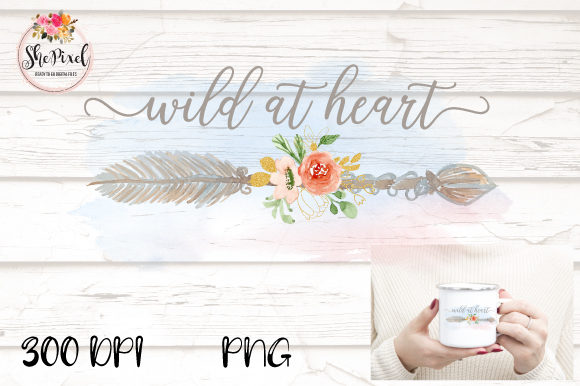
Wild at Heart: Crafts with a Bold Visual Punch
As a brand designer and content marketer, I've seen countless graphic design assets come and go. But Wild at Heart stands out for its ability to capture attention while maintaining a sense of authenticity. This creative design is ideal for small business branding, digital product visuals, and marketing materials that need to feel both professional and expressive.
The First Impression: A Mood That Speaks Volumes
Wild at Heart immediately evokes a sense of freedom and energy. The design has a natural, handcrafted vibe that feels perfect for lifestyle content, handmade products, or event promotions. It doesn’t scream for attention—it commands it with a subtle, confident presence. Whether used in social media graphics or editorial design, this asset brings an emotional tone that resonates with audiences looking for something unique yet approachable.
It’s not just about aesthetics; it’s about how the visual connects with the brand’s message. For a small business launching a seasonal offer or refreshing their social media visuals, Wild at Heart offers a versatile base that can be adapted to different moods and campaigns without losing its core identity.
Real-World Applications: Where Wild at Heart Shines
From brand identity to packaging design, Wild at Heart proves its worth in multiple marketing scenarios. In logo design, it adds a layer of creativity without overshadowing the main brand mark. When used in product labels or packaging inserts, it enhances the overall look without cluttering the space.
For content creators, this design asset is a game-changer. Whether you're designing Pinterest graphics, Instagram posts, or blog headers, Wild at Heart provides a cohesive visual language that supports your content marketing efforts. It also works well in digital ads, email banners, and lead magnets, where a strong first impression is critical.
In editorial design and web design, it adds a touch of personality that makes the content more engaging. For a brand looking to build a content kit or create a design bundle, Wild at Heart offers a solid foundation that can be expanded upon with other elements.
Supporting Marketing Goals: More Than Just a Pretty Design
Wild at Heart isn’t just visually appealing—it’s strategically useful. It helps strengthen a brand’s first impression by adding a layer of professionalism and creativity. Its clean lines and bold shapes support a clear visual hierarchy, making it easier for audiences to engage with your messaging.
When used consistently across marketing visuals, it reinforces brand recognition and builds audience trust. It also allows for better product presentation, whether you're showcasing a new digital product or creating printable design elements for a client.
Its ability to foster an emotional connection with the audience makes it a valuable tool for content marketers and creative entrepreneurs. By using Wild at Heart, brands can create more memorable campaign visuals that stand out in a crowded digital space.
Best Uses: When to Let Wild at Heart Take Center Stage
This design asset excels in hero graphics, campaign headers, and product launch visuals. It’s perfect for branded templates, social media covers, and packaging accents that need to grab attention without overwhelming the viewer.
Content bundles and promotional banners benefit from its dynamic composition, and editorial layouts gain a fresh, modern look. Decorative brand elements like stickers or merchandise can also leverage its bold aesthetic to enhance the overall brand experience.
For a small business owner or online coach, Wild at Heart can be the key element that ties together a cohesive marketing strategy. It’s especially effective when paired with other design assets that complement its style.
Where to Use With Caution: Avoiding Overuse and Misplacement
While Wild at Heart is versatile, it’s not a one-size-fits-all solution. In formal corporate branding, it may feel too casual or unstructured. Dense information layouts could suffer from its busy elements, and small mobile graphics might lose clarity.
Low-contrast backgrounds can make the design less effective, and overly minimal brands may find it too bold. Text-heavy ads or designs where the asset competes with the main message should be approached carefully.
It’s important to test Wild at Heart in real-world scenarios before finalizing any campaign. Previewing it on mobile screens and checking readability in small sizes can prevent potential issues that might affect user experience.
Designer Notes: Practical Tips for Using Wild at Heart
Before integrating Wild at Heart into your brand, test it with your brand color palette. Ensure that the colors work harmoniously and don’t clash with your existing design system. Check how it looks in black and white to confirm its versatility.
Place it inside real campaign mockups to see how it interacts with other elements. Compare it against competitor visuals to ensure it stands out without being jarring. Review spacing and balance to maintain a clean, professional appearance.
Confirm commercial licensing before using it in paid campaigns, client work, or business branding. This ensures that you’re fully compliant and can use the design asset without legal concerns.
Finally, experiment with different font pairings—serif, sans serif, script, handwritten, and display fonts—to find the best match for your brand voice. Wild at Heart works well with a variety of typography styles, but the right combination can elevate your design even further.
Conclusion: A Strong Addition to Any Creative Toolbox
Wild at Heart is more than just a graphic design asset—it’s a powerful tool for small business branding, content marketing, and visual storytelling. Its ability to blend creativity with professionalism makes it a valuable addition to any design workflow.
Whether you're building a content kit, designing packaging inserts, or preparing a digital campaign, this asset can help you create visuals that are both attention-grabbing and consistent. With careful use and thoughtful application, Wild at Heart can become a cornerstone of your brand’s visual identity.